Sunday, 30 July 2023

The Barbenheimer

We're shamelessly taking advantage of the event called Barbenheimer. These two movies we were interested in from the start, since it's been forever that a decent comedy has seen the light of day in Hollywood and Nolan's film interested us because of the source material and actors.  We also want to support the artists involved in the filmmaking process, so that more movies with actual quality get made. And to show a middlefinger to the greedy exces who care not a whit about the artists' and workers' wellbeing and the art's quality, but more about their bottom line. Fuck those guys and their evil ways.  On to the comparison of these two films.


Oppenheimer


Pros: Casting. Cillian Murphy is just chef's kiss. Really stellar casting otherwise too. Technical aspects are brilliant as usual and we especially commend Nolan for not using a speck of CGI in this film. Costumes, cinematography and editing are top notch as well. It's surprisingly pretty accurate to the source material and thankfully frames "the red scare" as the political persecution it was. There's not as much ambiguity about the devastation of  the atomic bomb as we thought there was gonna be. Nolan's obsession with time gimmicks also works in this case much better, since many biographies use this trick too. 


Cons: The man cannot write a personal narrative to save his life. Or female characters. Or any kind of romantic relationship. These were all absolutely crucial parts of Oppenheimer's life and work. Thus, they needed a writer who actually knows HOW to write these aspects compelling. Nolan is all about the tell, don't show, so all the boring technical jargon about the bomb gets a front seat and the emotional consequences that making the bomb caused to the main character gets left to the wayside. It sucks and we hate it, because for once Nolan actually seemed to want to do a personal story. Cillian Murphy has to do the heavy lifting, since the writing does not match the emotional weight of the story. It would have been incredibly important for the main character's progress to show the devastating human cost that these weapons of mass destruction caused but the film chose otherwise. You had your R-rating, why use it for a woman's titties instead of melting and charred human bodies. Also, as per usual, the music stinks.


Barbie


Pros: Funny as hell. Ryan Gosling as Ken is a revelation. Gosling in general has great comedic timing (just watch The Nice Guys and you'll get what we mean). The story is simple and characters have actual narratives. The colours are a great combo of different pastel palettes and the plasticness really shines through the sets. Costumes are great too and it's well directed. The depression Barbie was amazing and reminded us of our own Barbie plays as kids. Also, it's not too long. We have gotten pretty sick of every Hollywood movie lasting for over two hours, so this one gets points for its less than two hour runtime. The film doesn't take itself too seriously and knows what it is. Plusses for the aromantic rep, whether intentional or not.


Cons: Since it's Barbie, the movie's message is somewhat vapid and shallow. But it's fucking Barbie, of course it's vapid and shallow! That's part of the film's charm for us but can annoy some people. The movie's feminism is very Hollywood feminism - all women work together in harmony and men's sexual violence is nonexistent. Since it's a comedy though, we get that things aren't to be taken too seriously. The occasional preachiness and obvious takes on patriarchy can get you to roll your eyes at times but the funny bits mostly make up for that. Also, Ken totally should have gotten his horse ranch. The man needed his horses.


General: Barbie wins this "match" by far for us. Nolan being Nolan, the result was almost predetermined, but we really held hope for the guy this time. Alas, it was not to be. As a companion piece for Oppenheimer we would strongly recommend watching Grave of the Fireflies, which shows the heartbreaking consequences of the atomic bomb for ordinary people. You will be shattered after seeing that film and hopefully understand that these weapons should never have been used. Hell, even your basic anime shows how these bombs have traumatised the Japanese psyche for generations. Barbie is no Bringing Up Baby, but it has enough of inventive humour, character narratives (for both Barbie and Ken) and self-awareness to make it the funniest movie we've seen since Spy. Also, every man needs the assurance that they are Kenough. If you want to see more hard hitting feminism and deeper narratives about women, we suggest The Handmaiden.

Sunday, 18 June 2023

Blade II : how not to make an action movie

Blade was one of those movies we watched as kids and one of the first superhero films we saw. The cool katana - type sword immediately caught our attention and we really liked the action. We've always been into action movies even as wee children, so it's no wonder Blade, too, became part of those movies for us. It's also our second favourite superhero film. However, the same cannot be said about the sequel, though its director is far more famous. In this post we want to highlight some of the things that the first movie does right as an action flick and why the sequel fails oh so badly at it.


The first thing to take note of in any action movie is editing. The second thing is simple character narratives and story. Editing can often make or break an action sequence and fast cuts or shaky cam are unfortunately too frequently seen as something to create an exciting action scene. Instead, these choices make action out-of-focus, hard to follow and forgettable. Blade commits none of these foibles - it keeps its cuts fairly long and focused during action scenes, so it's easy to follow who is fighting who and what's going on. Nor is there any shaky cam to distract from action choreography, so the moves look pretty cool and camera follows the action. There are no five second cuts and we actually see where the action is going. The simplistic narrative and characters also help the film to go along and get us invested in the characters quite early. There is no complicated plot or story gimmicks, it's just a story with one main character, a villain and few important minor characters. Everybody gets enough focus for their screen time and relationships that are built feel believable. However, it never tries to be anything more than it is - a decent action flick. We have seen so many shitty action movies, so trust us when we say that Blade is on the way better side. There are a few examples of the first and second aspects that some films utilise, but because they won't combine the two, the movies feel half-finished. Woman King is an example of the first being a problem and Raid on the second aspect. Woman King has a good story and characters but its editing during fighting sequences leaves a lot to be desired (aaaall the five second cuts you hate) whereas Raid has some of the best action and choreography we've ever seen but it is completely shallow in the story and character department thus making it very hard to care about the cool action on display. Blade combines the two aspects and that creates a solid basis for great action scenes that make you feel something because the movie didn't forget about its story and characters.

Here you can clearly see Blade grab the sword and kill the two vampires. The editing is fast but focused.
 

Blade II is another matter entirely. It sucks. It's awful. The action is a blurry fast-paced CGI mess (not to mention the five second cuts) and all the characters we liked in the first film either aren't there or are really not the same characters anymore. The new characters are utterly forgettable and the plot is basically a rehash of the first one. Guillermo Del Toro is an accomplished director but hoo boy did he miss big time with this one. He clearly is not an action director but rather excels at fantasy/horror. Hence why Blade II felt like it was two different films - a Dracula type European monster film and an American superhero film. Yeah, that disparity did not end well for the finished product. The film never quite knows what it wants to be and that is a big part why the characters feel so flat. It's probably why they felt the need to bring Whistler back, since all the other characters were so one-note.  His death in the first movie actually felt meaningful but here he adds absolutely nothing to anyone's character or the story. Also, don't get us started with the so-called "female character" - she is there to die and nothing more. Karen in Blade is the main reason why we rewatch the first movie occasionally - she is awesome, quick-witted and smart even though she has no clue how to fight. She also contributes greatly to the plot. The woman in Blade II is none of those things. She is one of the female character archetypes we like to call "strong independent woman" - somebody who the story claims is strong but has to be rescued constantly and ultimately makes no difference in anything. Blade himself is way too subdued compared to the first movie and the cool action that he did in the first movie is nonexistent here and makes him a duller character as well.

In this scene the stunts work well but the editing is choppy and it's hard to follow the action since the camera jumps from guy to guy way too fast nor does it focus on Blade.
 

Finally, the action. We ain't lying when we say Blade II has some of the shoddiest, choppiest and disappointing action there has been in an action movie. We know that the actors have prepared to do these action choreographies but the editing, lighting and cinematography makes all of that preparation useless. The action almost always happens in dark rooms, corners, alleys, caves, etc. You barely see anything and the editing makes it even worse. Every single fight sequence is cut in less than five second shots and since it's also dark it is nigh impossible to get what the hell is happening or who is fighting who. It is honestly frustrating how such cool stunts are wasted with the choppy editing and bad lighting. The god-awful CGI doesn't make it any better - it honestly sometimes looks worse than the primitive CGI in the first movie. All in all, if you are a fan of Guillermo Del Toro, we would advise you to skip this one and focus on his more refined projects. For action fans, just watch the first Blade and leave it at that. None of the sequels are worth your time.  

Sunday, 12 March 2023

Our Oscars of 2023

We haven't seen all the movies that have come out last year (because that's impossible), but these are our picks of the ones we have seen. 

1. Picture

The Northman. It was difficult to choose between Decision to Leave and The Northman, but overall everything about the latter simply hit us harder. It's what Hollywood epics used to be like, and goddamn we miss them. Grand in scale, yet intimate in storytelling.


2. Actor

Brendan Fraser (The Whale).  A very human and nuanced performance that touched us. Fraser really brings out the empathy and emotion in his character.


3. Actress

Zar Amir-Ebrahimi (Holy Spider). This was a no-brainer. Watch her performance for its subtlety. It particularly speaks to those who have been under the yoke of religious repression.


4. Director

Park Chan-wook (Decision to Leave). He did the best homage to Hitchcock we've ever seen, and it's magnificent. 


5. Supporting actor

Nicholas Hoult (The Menu). This performance was surprising, because it first fooled us to think that the character was simply a buffoon so the revelation of his disturbing side was very effective.


6. Supporting actress

Jamie Lee Curtis (Everything Everywhere All at Once). It was a toss up between Curtis and Kerry Condon. We decided to go with comedy once again, especially since women are rarely cast in comedic roles and are awarded for those performances even more rarely. In addition, Jamie Lee Curtis is an underrated comedic actress.


7. Original score

Jo Yeong-wook (Decision to Leave). Anytime this dude composes a film soundtrack, he should get all the awards. Unless Joe Hisaishi has worked with Miyazaki again (and since Morricone kicked the bucket). Since we knew that Park Chan-wook would obviously have his trusted buddy compose the music, we also knew that this category would have no other contestants for us. After researching how his name is spelled though, he has way too many names!


8. Soundscape

Johnny Burns, José Antonio García & Jeff Smith (Nope). Sound is really important for horror movies because they build the atmosphere and with that comes the dread for the audience. Nope excelled.


9. Visual & special effects

Sagar Adokar & Neil Champion (Men). This is how you do body horror right. The psychological aspect of it is reminiscent of Akira and the effects themselves remind you of Carpenter's The Thing.


10. Editing

Elísabeth Ronaldsdóttir (Bullet Train). Once again, we had to choose between two movies (this and The Northman). But it's so uncommon these days to have an action flick, where the editing works 100% of the time. There are no unnecessary super fast cuts or shaky cam here. 


11. Cinematography

Kim Ji-young (Decision to Leave). Perfection. Utter perfection. The aerial shots were amazing. The cinematographer is an expert in film intertextuality.


12. Costume, make up & hair

Gersha Phillips, Leslie Ann Kleinhans & Louisa V. Anthony (The Woman King). This was the best part of the movie, too bad the editing couldn't live up to the rest of it. But the costumes, different hair and make up was really memorable. The colours were stunning.


13. Stunts & choreography

Timothy Eulich, Andy Le & Brian Le. We like the action maybe better in Bullet Train, but c'mon, Michelle Yeoh kicks ass! She deserves all the accolades, especially in this department.


14. Production design

Florencia Martin (Babylon). We had to give it to Babylon. The set designs are so elaborate and over the top, but they also really pay off. 


15. Original screenplay

Martin McDonagh (The Banshees of Inisherin). The dialogue is to die for, the black humour is skillfully outrageous and McDonagh knows when silence is needed. He is the opposite to Christopher Nolan.


16. Adapted screenplay

Zak Olkewicz (Bullet Train, based on the Kôtarô Isaka book). We can't say how faithful it is to its original work, but the movie is fantastic. All the characters are really well fleshed out, and make a great ensemble. We're against elitism and the idea that only serious movies should be considered award worthy. It's really damn difficult to write an all around entertaining and fun film.


Monday, 7 November 2022

Don't Worry Darling vs. Triangle of Sadness

 So we chose these two films because we went to watch them around the same time and they are both socially conscious movies. Hence, we thought they would make a decent comparison.


Don't Worry Darling 


 Pros: Florence Pugh. Great costumes and the 1950's set designs. The concept is good and some of the visuals show artistic competence. The directing actually used visual storytelling at points which is rare in todays mainstream Hollywood stuff.  Also, Chris Pine of all people managed to be sufficiently creepy - he should really try playing more ambigious characters.


Cons: Better main male actor. He is not the worst by far but somebody more talented in the craft was definitely needed, especially opposite Pugh.  This gap in talent lead the performances to be rather uneven and is detrimental to the story and characters. We mentioned the concept being interesting but unfortunately that does not translate fully to execution - it can be sloppy at points and leave you questioning why they made certain decisions. We understand the decision to show how women are victimised by patriarchy and how important it is to show that hurt. Nor do we want to side with Peterson incels in any way - but showing maybe a little more of these men's thought process helps to bring understanding why these patriarchal settings are so hard to resist and dismantle. This is where the movie falls short and unfortunately a large part of it falls on casting a Frank Sinatra - type as the male lead when it should have been a Marlon Brando - type. 


Triangle of Sadness


Pros: Great directing, visually sumptious and funny. Showing the decadence of the upper echelons of society that turn into a puke fest and the communist American ship captain and a Russian capitalist arguing about class systems while the yacht is sinking is some of the film's more hilarious parts.  The movie achieves its objective of showing how hierarchies persist even in more primitive settings if the people consisting in that setting have lived in a capitalist society. Human greed will reproduce that system of hierarchy in a vicious cycle. This film is more of an ensemble piece so actors play off of each other more and work as groups (which is in a way ironic, since the movie is focused on showing the pitfalls of purely individualistic society) and this lessens the burden on just one actor doing most of the work like happened in Don't Worry Darling.


Cons: This is funny coming from us (since we are often more collectivist than individualist) but because the film focuses on in no character in particular the story feels less personal and thus less interesting to us. We like the themes of hierarchy, decadence, greed and learned helplessness of most Western people because technocapitalism makes most everything convenient (especially to upper classes), but it is harder for us to connect to the outcome of the story since we are not guided to care about any character in particular. We understand that is the whole point of the film but what can we say, personal stories are our bread and butter.


General:  If we had to pick one to recommend, it would be Triangle of Sadness. It is just all around the better movie both filmwise and storywise. Though Don't Worry Darling does have the more personal aspect in the story it leaves other important things needed in good storytelling halfway and is the reason why it doesn't quite fulfill its potential.

Sunday, 2 October 2022

Romeo & Juliet x4

There are two kind of tragedies that are told in story form - tragedy of consequence and tragedy of circumstance. Some of the most famous tragedies come from the pen of, you guessed it, Shakespeare. He has written both tragedies of consequence and tragedies of circumstance, Hamlet being an example of the first and Romeo & Juliet the latter. We have decided to take this doomed tale of teenagers to compare different versions of it and see which ones have gotten the gist of it more right than wrong. Reading the original play it is quite obvious to see that Romeo & Juliet has not one decent adult in the entire story and in the end this adult abandonment leads to the kids' demise. That is the aspect that we will pay special attention to when comparing these films.


Romeo and Juliet (1954)


Characters


Romeo: The sleaziest Romeo by far. Romeo is supposed to be boyish and charming but this guy plays him like he's over 30 (even though the actor was just 26 at the time). Like all actors in this movie, he is quite stiff and we can't help but think that it is partly because of the theatrical setting of the film rather than the actors themselves.
Juliet: Far too meek and spiritless. She is probably the least wooden of the performances, but Juliet's rebelliousness in falling in love with Romeo and then continuing the love affair despite knowing he's the enemy is just..not there. Basically, all the passion is sucked out of her.
Mercutio & Tybalt: Barely in the movie, when Mercutio is supposed to be Romeo's best friend and Tybalt is supposed to be the culmination of all the Capulet's hatred towards Montagues. Tybalt is meant to be a rather tragic character but there's none of that here. He is just another wooden plank. Mercutio is even worse, he has none of the joviality and prankster in him nor the unsettling mood swings he gets in the original story.
The Adults: As forgettable as the rest of the cast. The performances just exist and there is absolutely nothing memorable about their scenes. Though in this one Friar Laurence is even more despicable than any other version, since he just watches Juliet kill herself and moves not a muscle to prevent it. Paris is not much present either. The parents are also there and say all the right things but it feels like nothing since there is zero emotion behind the delivery. 


Story
 
It all feels very staged. Watching this film felt like eating highly processed food - the taste is bland and boring. This is probably storywise the most accurate version of Romeo & Juliet (minus Romeo suddenly hitting Paris with a rock when it was supposed to be a duel between them) but it is such an utterly lifeless version of the play that as a film it would fail to capture either moviegoers or theater folk. We have never been more bored while watching this story (and it is our favourite drama from Shakespeare's repertoire). There is not a hint of the passion that Romeo & Juliet harbour for each other and a lot of that comes down to the movie's directing. Romeo & Juliet are barely allowed to be in the same room together or really even touch each other except briefly. Yeah, try to find the passion in that when they have to get married in separate rooms.

Misc./Technical aspects
 
The direction in this film does not work AT ALL. It's like the director didn't know that he was supposed to be making a film. This movie is directed like a stage play and dear god how dull and lifeless it makes this story that is supposed to be a film. Stage play is a completely different animal from visual media and you cannot possibly expect that a movie works the same way that theater does. Plus, the outfits (especially the "penis pants" as we call them) are horrendous and the colours are way too distracting probably thanks to the theatrical settings. The camera also does not move, like at all, during scenes and there are no close-ups. 
 
Romeo & Juliet (2013) 


Characters
 
Romeo: He's much more of a naive sweet talker than someone with cheeky boyish charm. At the very least though he knows half of what he's saying unlike our heroine.
Juliet: "Juliet, did you learn your lines?" is the apt saying in this character's case. Unfortunately, it seems that Hailee Steinfeld did not, in fact, learn her lines. Her Juliet is more lifeless and wooden than the 1954 one. She has no clue what she's saying and the director clearly hasn't instructed her in anyway. The worst Juliet by far.
Mercutio & Tybalt: Again, barely in the movie. In Tybalt's case he does at the very least reflect the hatred of Capulets but poor Mercutio gets shafted again. 
The Adults: Damien Lewis is far too good for this trash. He actually manages to turn out a pretty magnificent performance as Lord Capulet which this movie does not deserve. Friar Laurence is way too kind to play the priest who ultimately only thinks of himself. There's too little of Juliet's nurse as well, though she is fine for the part. Paris is puzzling - he is supposedly so obsessed with Juliet that he challenges Romeo to a duel at the end, yet we've never seen Paris and Juliet interact or even meet each other once.


Story
 
Combining Benvolio and Balthasar is the only change here we accept, since it works on film. Changing Shakespeare's dialogue and inventing new dialogue we do not. It was ridiculously awkward when the dialogue changed into the more modern delivery and you could immediately hear how bad the change sounded. It did not flow at all and if Shakespeare got one thing down, it's flow of words. It's awful and we hate it. 

Misc./Technical
 
A medieval tragedy has no business to look like a romanticized 1800's period drama. It sucks out all the melancholy and depression out of the story and makes it look like a generic romance film. 

Romeo + Juliet (1996)


 Characters

Romeo: Ok, this Romeo definitely has the melancholy down. Luhrmann clearly wanted to emphasize Romeo's more rebellious and wilder side than his boyish cheekiness. It actually works surprisingly well for his character, which we did not expect at all.
Juliet: Another meek version of Juliet. But Juliet does show deep desperation towards the end of the film, so we guess that's something. We're just not very fond of versions of Juliet where she is presented only as virginal and pure. 
Mercutio & Tybalt: Mercutio is hands down the best thing in this entire movie. He is breathtakingly awesome and delivers Shakespeare's lines like a total pro. We have a soft spot for Leguizamo's Tybalt and he does emit the hatred quite convincingly. Side note on Benvolio - he is disastrous and the movie would have survived without him.
The Adults: Juliet's dad is a full on domestic abuser, which fits well for the story. Juliet's mom is attached to Tybalt and is bent on vengeance after he dies and cares not a whit of her own daughter. Though we must say that we were not thrilled of the change of making Juliet's mom a victim instead of an enabler. Friar Laurence and The Nurse get far too little screen time and that unfortunately affects the story negatively. Movie, you had Pete Postlethwaithe and Miriam Margolyes to ham it up - why didn't you use them more? Friar Laurence is also a little too sympathetic here. But the biggest miscast of all time (aside from Kevin Costner as Robin Hood) goes to Paul Rudd as Paris. Firstly, he's way too young (because the guy doesn't age) and the reason we are left with why Juliet isn't interested in him is because he's dorky. But it's Paul Rudd - of course he's dorky and everybody loves him for it. It just does not work.


Story
 
Whatever other faults this version has (and there are many) it got two things right - the relationship between Romeo & Juliet and the friendship between Romeo & Mercutio. This is basically our guilty pleasure from Baz Luhrmann. Since they got these two important aspects right, the film works better than most other versions. Unfortunately the whole adult abandonment doesn't really show in the movie as much, since Friar Laurence isn't a selfish bastard who comes up with the idea to marry the youngsters to bury the feud between the two houses. The friar isn't actually thinking about the kids in the original play and instead of sending Juliet to Romeo he just comes up with a ludicrous and complex plan of poisoning Juliet and sending a letter to Romeo. This is another minus for the movie, since it happens in modern times, one starts to wonder why couldn't the kids just elope together or the priest just call Romeo up. The scenes with Mercutio & Romeo are sublime and Juliet's father is good foil for the kids but since Paris is so likable it is hard to feel that Juliet's desperation at the film's end is as warranted. Our biggest beef, however, would have to be the ending, where Luhrmann for some mysterious reason makes Juliet witness Romeo's death (2013 version committed the same sin). The whole point of the tragedy is that Romeo is already dead when Juliet awakens - that IS the tragedy. That the society and the adults surrounding the children have driven them to this final desperate action. Not some smug judgmental moral of "oh look, these stupid teenagers thinking with their hormones doing shit they'll regret". In the original story, Romeo & Juliet did not have choices or they were severely limited in them - that is why it is a tragedy of circumstance.

Misc./Technical
 
We absolutely loved the theme of water that showed up to express the idea of youth and young love. The first meeting of Romeo & Juliet is super memorable and works as a visual representation of them seeing each other on the opposite sides. The melancholy 90's emo music brings the depressive mood to the film (especially Radiohead). Romeo's introduction is particularly striking. We love the sets but too bad that Luhrmann's less than 5 seconds editing rule gets in the way of enjoying these beautiful set pieces.
 
Romeo and Juliet (1968)


 Characters
 
Romeo: The boyish cheeky charmer with puppy dog eyes that Romeo is supposed to be. He's a dreamer but also an eager boy experiencing his first love. This and the Luhrmann version are the only ones that present his one-sided crush on Rosaline as fleeting and not serious instead of making Romeo talk hours on end how much he wants to stalk Rosaline or how deep his love for her is. Thus, this Romeo is spared of the sleaziness the 1954 Romeo exhibits.
Juliet: THE quintessential Juliet. There has never been, and we doubt will ever be, a better one. She was born to play this role (much like Emma Thompson was to play Beatrice). She's got spirit and passion and her desperation really shines through at the end of the film. There is no meekness on sight in this Juliet and we love it.
Mercutio & Tybalt: Another Mercutio that got it right - he is a playful prankster who has strange and sudden mood swings and Romeo is really the only one who understands him. Tybalt is proud, arrogant and rash. His anger and hate isn't maybe as visible as in other versions but his unrepentant attitude after murdering Mercutio makes his hate feel more chilling. 
The Adults: Here it is, the one version where the utter disregard the adults in this story have for the kids is on full display. Juliet's parents could not care less for their daughter's opinions or feelings and Romeo is clearly a disappointment for his clan, since he doesn't like fighting. Friar Laurence seems at first to care for the children but in the end, comes up with a ridiculous plan of poisoning Juliet and then sending a letter of the plan to Romeo through snail mail. Neither does he stay to keep watch over Juliet near the catacombs but instead retreats to his church and finally, after Romeo is dead, flees and abandons Juliet to her fate. The Nurse is also a backstabbing adult - first she's all in for Juliet getting married to Romeo and encourages her but then after Romeo is banished turns coat and pressures her to marry Paris. This is an important betrayal, since The Nurse is more of a mother to Juliet than Juliet's mother ever was. And talking of Paris, he is way older and feels a little predatory. Juliet also has zero interest in him.


 Story
 
The feast at the Capulet house, where our star-crossed lovers meet the first time is expertly directed and acted. All the actors know what they are saying and trust us, that makes ALL the difference. We actually believe that these two kids are in love. Also, this is the one version where they managed to get actual teenagers for both main roles. As we mentioned in the character section, this is the only version that shows how callous and uncaring the adults are about the children, their opinions or their well-being. And how the kids get caught in the meaningless feud of the parents that lead to their double suicide. Ultimately, even the prince is useless as a ruler since he just bellows his judgement up high but does nothing to quell the hatred between the houses. The medieval setting also works to make the kids' lives more oppressive, as they really have no say in their own fate and Juliet especially feels boxed in as not just a child but a girl, whose only purpose is to marry someone her parents chose. 

Misc./Technical
 
As said, the lovers first meeting looks amazing and all the set designs are as authentic looking as possible and create a mood of 1500s Italy. The costumes are accurate for the era without looking gaudy or ill-fitting on the actors. The direction is competent and the use of close ups is very smooth. You cannot talk about this film though, without taking into account the music. This is absolutely some of Nino Rota's best work ever and the melancholy yet youthful tone of the score highlights the scenes and characters beautifully, creating a perfect union between visuals, story and sound.  

Friday, 31 December 2021

Pick of the month

 Last Night in Soho (2021)


We had been expecting this since we first heard about a new Edgar Wright. It did not disappoint. We were especially thrilled to hear that its influences were Don't Look Now and Repulsion. And it shows in the best ways so we also urge you to check those two out before watching this. Everything about the film is pretty much perfect. The cinematography, editing, set designs, costumes and most particularly the goddamn soundtrack. Wright really is the master at using popular music and recoding it to tell a story. The chef's kiss of that is the disco scene. The colour scheme is incredibly distinctive, especially when compared to its contemporaries.

It was great to see that Edgar Wright is capable of directing female narratives, although some of it surely had something to do with the fact that the co-writer was a woman. If this is still in theatres near you, go see it if you can. Otherwise stream it, rent it, buy it, whatever, but give money to movies like this so we can have some variety.


Saturday, 2 October 2021

Feminist films

Plain and simple, these are some of the most impactful feminist movies we've seen. If you ever get tired of male centric stories, these are pretty good alternatives to watch. As we do with fiction, we have picked films that focus on personal narratives but also have some pretty deep societal criticisms to offer, since the subject is political. We have categorized the movies to different branches of feminism, just to make it easier on ourselves and they are in no particular order.


1. The Handmaiden (radical feminism). This cinematic offering is probably the clearest representation of radical feminism we've seen in mainstream film industry. The women are resisting men's sexual violence and even destroy the predator's ancient porn library, for god's sake! Radical feminism is, after all, first and foremost about escaping men's sexual violence and it is the feminist branch that comes closest to misandry. This film is a visual stunner and the music is just as amazing. Not to mention the feminist lady boners one will get from the story.


2. Thelma & Louise (cultural feminism/radical feminism). This one was harder to pin down, but we thought that cultural and radical feminist elements were most visible in the movie. In the film, patriarchy is seen seeped into the culture and it manifests as either relatively harmless catcalling or in the worst case scenario, rape. The women, like in the previous entry, resist and try to escape this culture. Also, the women  don't shy away from using violence, which is often seen as a legitimate way to fight against male power in radical feminist philosophical texts.


3. Portrait of a Lady on Fire (liberal feminism/cultural feminism). Here we have an intersection of liberal feminism that comes in the form of the painter Marianne having a job and using her father's name to paint and cultural feminism in the form of Héloïse having to marry because she is upper class. Liberal feminism is very big on women having the right to vote, having ownership of property and, of course, women having a profession. In other words, political rights. Whereas cultural feminism is much more about the culture in general being oppressive towards women and it does not concern itself nearly as much in the political strife.


4. The Hours (liberal feminism). This is probably the most obvious liberal feminist movie on this list. All of the women are relatively well-to-do and the film depicts their struggles as women who want to work, be independent and live their life freely but face the struggle of laws or culture that make it harder for them to do that. We see, as well, how women have gained more rights or how the culture has changed over the decades through the three different stories. One could argue that this film also depicts intersectional feminism since one of its main characters is a sexual minority but since the movie ignores race and class we do not think it passes the muster in that aspect.


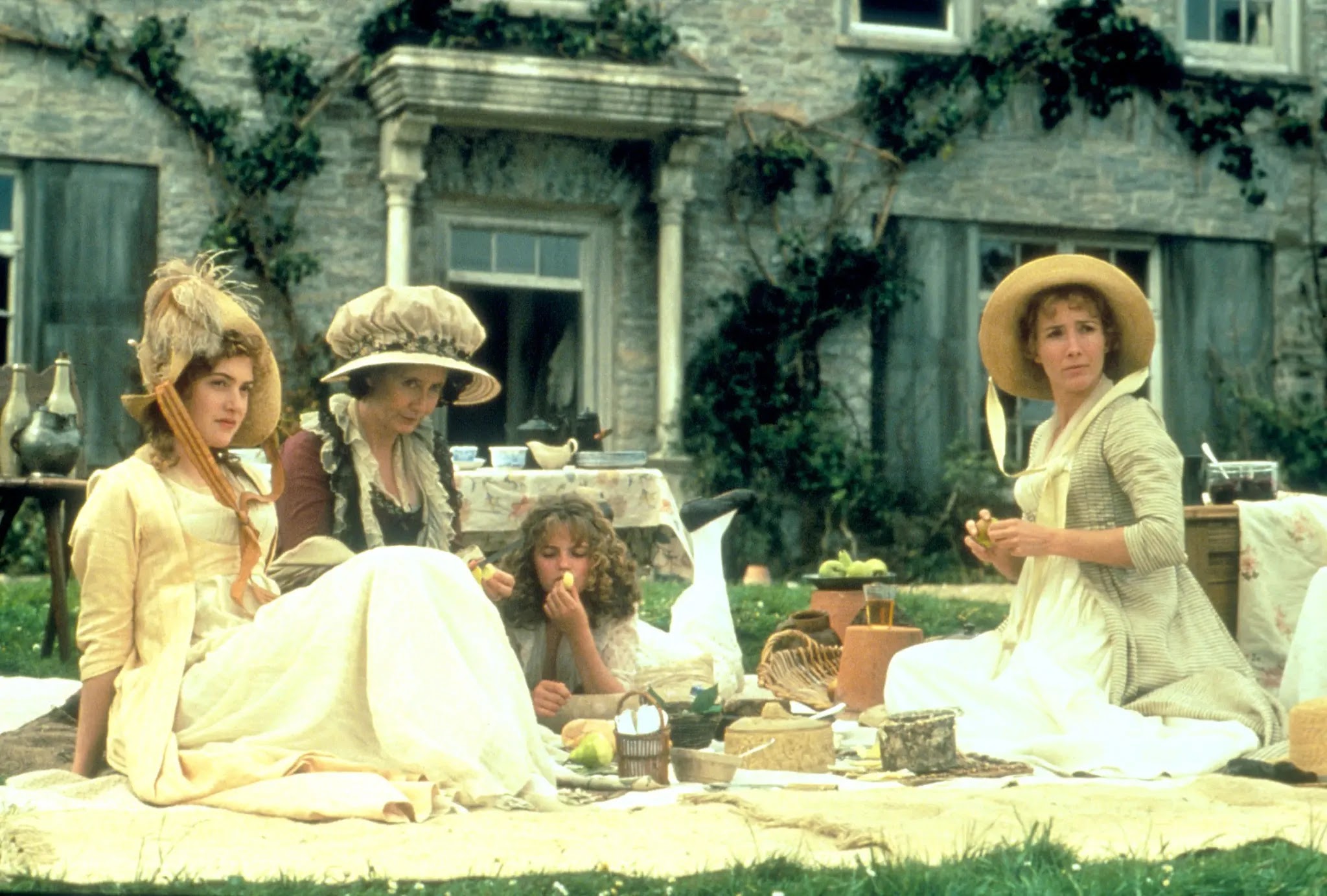
5. Sense & Sensibility (proto-feminism). Austen's work is pretty proto-feminist. Her books are about women, issues affecting women and their inner thoughts and feelings, at a time when most known authors were men. She lived around the same time as Mary Wollstonecraft, one of the earliest, if not the earliest, Western feminist thinkers and one could quite easily imagine that Austen read some of Wollstonecraft's declarations. Emma Thompson's screenplay reflects perfectly Austen's feminism before feminism was a thing.


6. If Beale Street Could Talk (womanism). The history of feminism, especially in the US, has been mostly dominated by white women and that has unfortunately created racism in many feminist circles where black women's issues are often ignored or belittled. This beautiful film not only focuses deeply on problems that affect black women but also has great bonding between women. Womanism is especially interested in communities and people's ties to each other and the movie shows this community love very poetically.


7. Mad Max: Fury Road (dystopian feminism/radical feminism). Another one where women are escaping men's sexual violence and power. It also combines apocalyptic visions with dystopian views on feminism - according to this movie, at least one place is very much run like the Handmaid's Tale but then is balanced with the all-women community the runaways meet. In the end, the film kind of finds this equlibrium of women and men working together to vanquish the evil patriarch, which is why we cannot fully label it as radical feminism because that field is quite vary about working with men.


8. Mulan (cultural feminism). This movie is probably the shallowest take on feminism we'll have on this list - but in the end, it is a story about a woman fighting and conquering stereotypes in a predominantly male environment. To this day, it is the best offering Disney has given in feminist filmmaking and will probably remain so for the foreseeable future.


9. Nausicaä of the Valley of the Wind (eco-feminism). We all know how awesome Miyazaki's female characters are and how often he focuses his stories on them. Nausicaä has both the awesome and complex female character and the ecological message of treasuring the nature surrounding us, since we cannot live without it. One could argue that the film also depicts how women are socialized to be more tuned to nature and living things whereas men have been socialized to take lives and trample on the environment in the name of warfare.


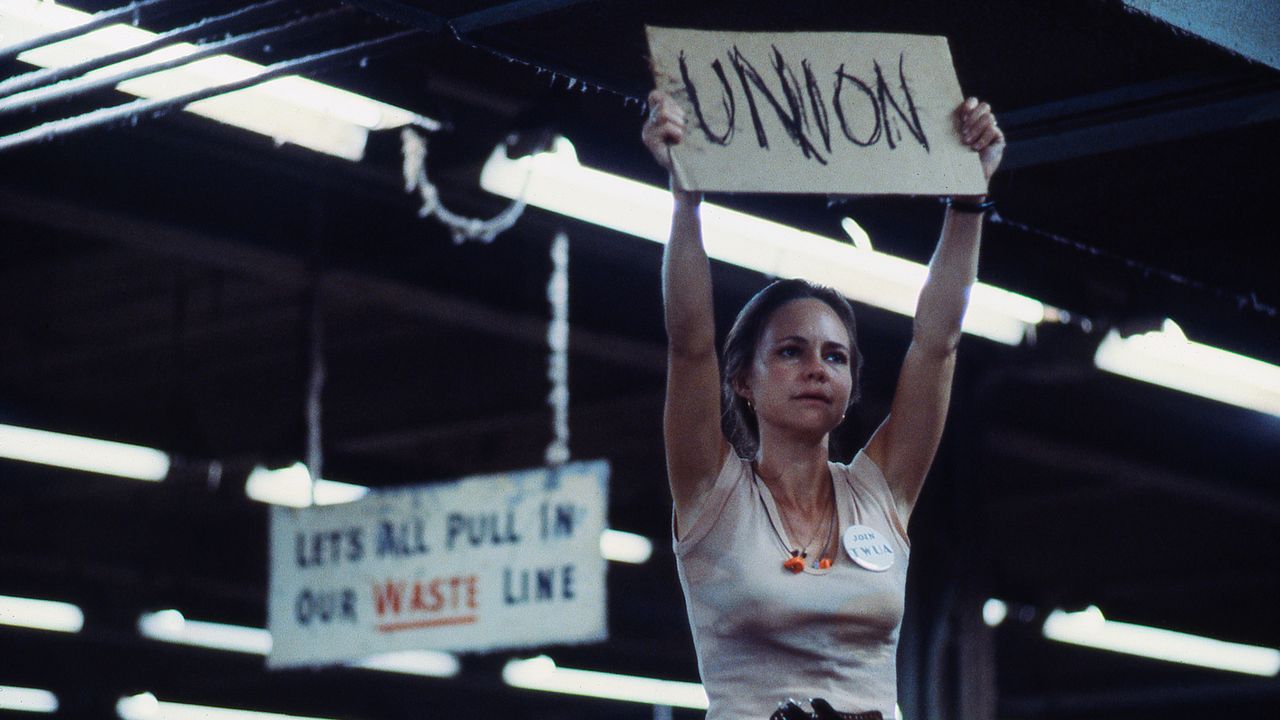
10. Norma Rae (marxist feminism/socialist feminism). The picture should really tell you all you need to know. Marxist and socialist feminism is very much focused on women's economic oppression and working-class women's issues. This film is about a working woman's struggle to build a union in the factory she's working in, so it is totally up the alley of marxist feminism.